



제목| Finding the Perfect Engine Oil for Your Make and Model
페이지 정보
날짜|2026-02-26 작성자|Keith 조회|6회 댓글|0건관련링크
본문
Choosing the right engine oil for your vehicle is one of the most vital maintenance decisions you can make. The wrong oil can lead to lowered efficiency, accelerated component degradation, or even engine damage. The ideal oil, on the other hand, helps your engine run smoothly, reduces long-term wear, and enhances gas economy.
Start by checking your vehicle’s owner’s manual. This is the most authoritative source of information because it was written specifically for your make and model. The manual will specify the recommended viscosity grade, such as 5w30. Flow resistance refers to how resistant or free-flowing the oil is at various heat levels. The low-temperature number before the "W" indicates winter performance, and the hot operating number shows how the oil maintains protection under heat. Using the proper grade ensures the oil flows properly when cold and still maintains film strength under high heat.
Next, consider the oil category. There are three main types: mineral, semi-synthetic, and advanced synthetic. Traditional motor oil is the least expensive and works well for legacy models or those with low mileage. Hybrid formula offers a sweet spot with better performance than conventional but at a reduced expense than full synthetic. Full synthetic oil is formulated to deliver superior protection, better flow in extreme temperatures, and longer intervals between changes. It is often best suited to modern engines, turbocharged units, or those driven in harsh conditions.
Be sure to check API certification. This is a specification set by the API that confirms the oil satisfies certain technical requirements. Look for the API donut symbol on the bottle. For petrol engines, you’ll see something like SN. For diesel engines, it might be ULS. Make sure the rating aligns with or goes beyond what your service manual specifies.
If you regularly operate in very extreme temperature zones, you may need to modify your viscosity selection. In freezing climates, a lighter low-temp oil like 5w20 helps the engine crank faster. In hotter areas, a heavier high-temp grade like 15w50 provides enhanced film strength under extreme operating pressure.
Keep in mind your driving habits. If you frequently tow heavy loads, sit in gridlock, or drive on unpaved roads, اتوسرویس داوود your engine endures greater stress and may benefit from a premium-grade lubricant. These oils resist breakdown under stress than conventional options.
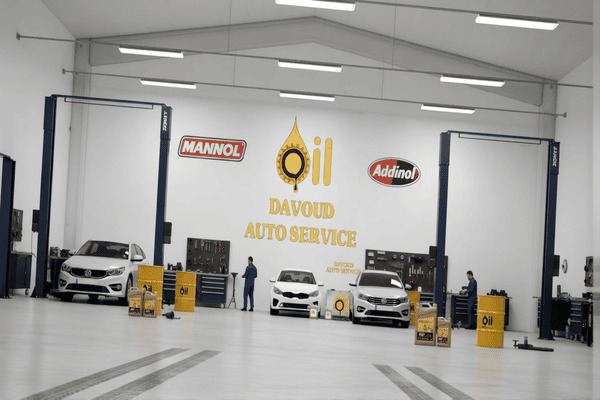
Lastly, evaluate the oil change interval. Some synthetic oils are engineered for extended life, allowing for longer service intervals. But always follow your vehicle’s maintenance schedule rather than just the oil manufacturer’s claims. Even the best oil can lose effectiveness, especially under heavy use.
When in doubt? Consult a trusted mechanic or your factory-certified shop. They can help you choose the right oil based on your vehicle’s condition, km count, and usage patterns. Remember: engine oil is not a universal solution. Taking the time to choose correctly will save you money and prevent costly repairs.